
Monocrystalline and Polycrystalline Solar: Which One Is Best For Your Facility
Updated: Aug 3
People think choosing a solar system is easy. You can simply pick the first panel you come across. It’s nothing like that. One of the first decisions businesses face is this - Should I get monocrystalline or polycrystalline solar panels?
At first glance, they both look almost identical. Both convert sunlight into electricity. Both reduce energy bills for factories. Both support a cleaner future. So… what’s the difference?
Well, you have to keep reading for that... However, let us tell you that choosing the wrong panel for your facility could mean leaving valuable energy savings on the table. Good news? You don’t have to be an engineer to make the right decision.
In this blog, Wired and Wireless - best rooftop solar company in India - will break down the differences between mono vs poly solar panels. Let us determine which option is best suited for your commercial or industrial facility.
Monocrystalline Vs Polycrystalline Solar Panels: Manufacturing Process
“Everything begins at source.” That couldn’t be true when it comes to solar panels. Mono solar panels are made using a single, pure silicon crystal. Creating a highly uniform structure that allows electrons to flow more efficiently. Poly panels? They are produced by melting multiple silicon fragments together.
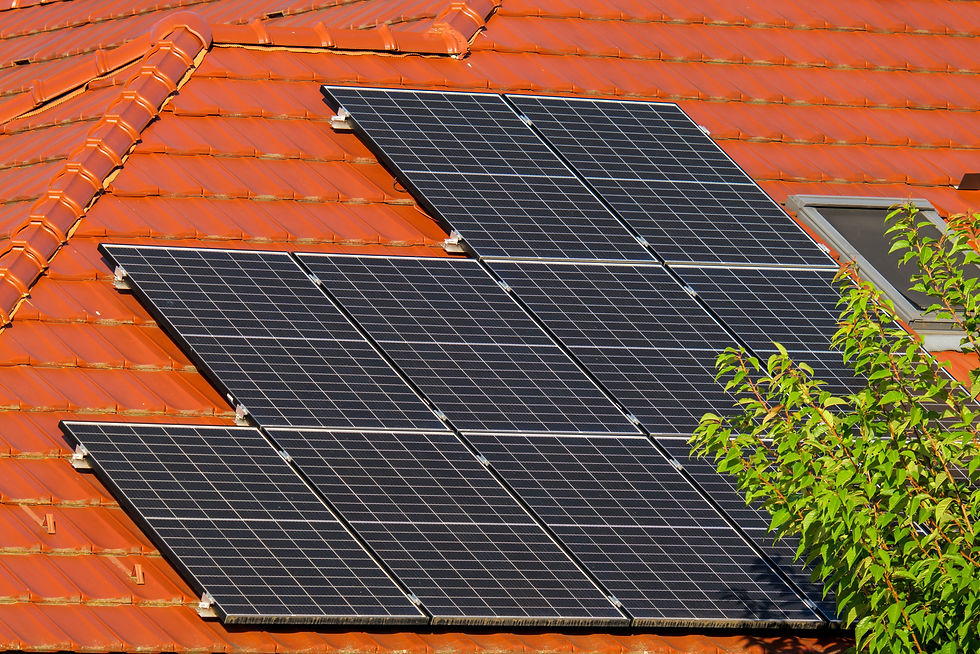
Comparatively, this process is faster. In fact, less expensive. But crystal structure isn’t as uniform. Result? Both generate electricity effectively. However, monocrystalline technology has a slight performance edge, thanks to its cleaner internal structure.
Monocrystalline Vs Polycrystalline Solar Panels: Manufacturing Process: Energy Efficiency
Here comes the question most business owners care about - which panel generates more electricity?Monocrystalline is the answer! They are made with a single silicon crystal. This enables them to harness a major amount of sunlight into usable electricity. In other words, they give off more power from the same amount of sunlight. Commercial and industrial facilities are especially beneficial as they can directly affect energy savings by maximising energy generation.
Polycrystalline panels are also known for their consistent performance. They require a bigger installation space to generate the same amount of energy, however. Is efficiency your priority? Then monocrystalline leads the way.
Monocrystalline Vs Polycrystalline Solar Panels: Space Requirement
Less is more and that saying perfectly fits here. Say two businesses need a 100kW solar system. One has a large warehouse roof. The other has limited rooftop solace. Which panel would make more sense?
Given moonocrystaline technology is more efficient, you just need a few panels to attain the same energy output. This makes them a perfect choice for businesses with limited roof and ground space. The required installation area is on the higher side with polycrystalline panels.
If space isn’t an issue, this may not matter much. But when every square foot counts? The former option wins in this section of monocrystalline vs polycrystalline battle!

Monocrystalline Vs Polycrystalline Solar Panels: Performance in High Temperatures
Scorching summers and India - both are no strangers. Many buyers don’t realise the fact that solar panels actually become slightly less efficient when the temperature rises. The question is “how much efficacy do they lose?”
Monocrystalline generally perform better in high-temperature conditions. Why, you ask? Because they have lower temperature coefficient. Meaning, they experience smaller efficacy losses when the weather gets extremely hot.
And it’s not like poly solar panels don’t generate electricity during summer. Of course they do! But their output may decline a little more under intense heat. For commercial and industrial projects located in warmer regions? This difference can translate into better long-term energy production.
Check out these resources as well:
EPC in solar guide
Monocrystalline Vs Polycrystalline Solar Panels: Appearance
Looks aren’t everything… but they certainly matter. Although performance should always come first, sometimes, appearance can influence your decision. Especially for commercial buildings and premium properties. Monocrystalline panels are popular for their uniform black finish. Giving them a sleek and modern look.
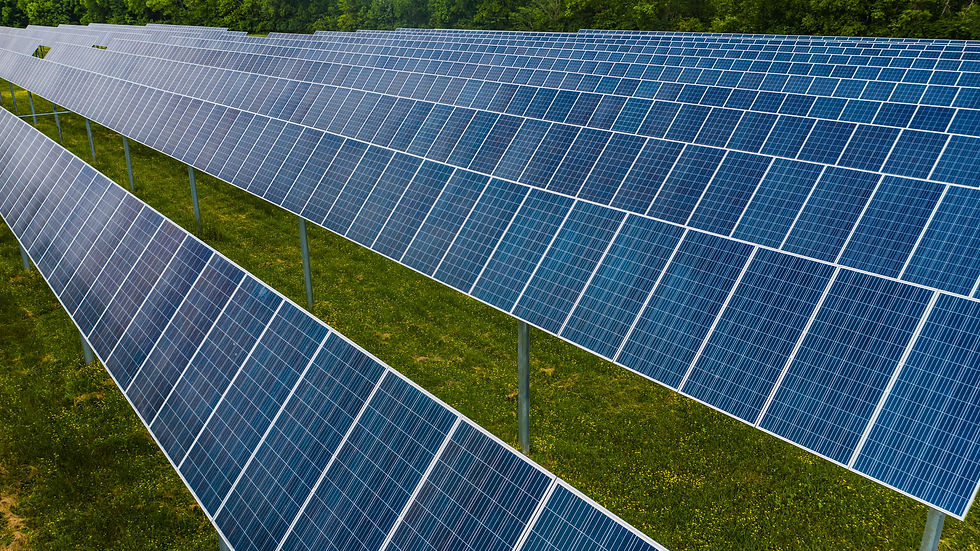
Polycrystalline panels, on the contrary, have a bluish hue. In some models, you can even notice a slightly speckled texture due to multiple silicon crystals used during manufacturing.
Functionally, they both perform the same job - generating electricity. As for looks, we would say it’s subjective. Some may like the way monocrystalline. Others would choose polycrystalline solar panels.
Monocrystalline Vs Polycrystalline Solar Panels: Cost
Let's be honest. Budget frequently is the determining factor.
The manufacturing process of the polycrystalline panels is simpler. And waste of silicon is less in the process. That is why the upfront cost for these types of panels is lower than that of monocrystalline panels. Monocrystalline panels, on the other hand, need a more sophisticated manufacturing method. Making them more expensive initially.
But here’s where many buyers are unable to proceed with their purchases. Remember, the most inexpensive is the most economical in the long run - that’s not always the case. “Buy cheap. Buy twice!”
Energy goals, available space, expected electricity savings - depending on these, spend a little more money up front. You might experience a higher return on your investment for the life of the system.

Monocrystalline Vs Polycrystalline Solar Panels: Lifespan and Durability
You don't need to change out a solar installation every few years. It is a long-term commitment.
Monocrystalline panels and polycrystalline panels are manufactured to resist extreme weather conditions. Both usually come with 25-year or longer warranties. However, monocrystalline panels may have a slight edge in terms of degradation rates. Meaning, they retain their efficacy slightly over time.
Now the difference is not radical but can be a noticeable one over decades of operation. In other words, they're both long-lasting options. But monocrystalline panels tend to perform better over time.
Monocrystalline Vs Polycrystalline Solar Panels: Best Applications
“The right tool for the right job” this is the best way to understand this comparison between monocrystalline vs polycrystalline solar panels.
The former are typically the better option for commercial facilities, factories, warehouses and industries. Here, maximising energy output and optimising installation space are paramount concerns.
Is budget your primary concern? Do you have extra space available for panels? Then the latter option will be a viable choice.
Monocrystalline Vs Polycrystalline Solar Panels: Final Words
There’s no clear winner. It was never about one panel being “better” than the other. Both serve their own purposes. Selecting the right option will rely on your business plans, investment capability, roof surface area and energy needs. So, choose wisely today. Because that will deliver you benefits for decades to come!
Still not certain which solar panel technology is right for your project? Wired and Wireless can help you with this. Our team will evaluate your energy requirements. They will check site conditions and understand long-term goals before recommending the most suitable solution.
System design to panel selection and installation to ongoing support - we will make sure your investment delivers maximum value. Call us today on +91 81085 55060 to get in touch with us. Let’s power your future with confidence.
Recommended:
Reduce electricity bills with power saving AHU blower fans


Comments